Opening Hours: 08:00 – 17:00 Daily
Hanoi is not only the political capital but also a “living museum” of national culture. Throughout more than a thousand years of history, from the day King Ly Cong Uan moved the capital to Thang Long in 1010 to the present, Hanoi has always been a place where distinctive heritage values converge, spread and are preserved.
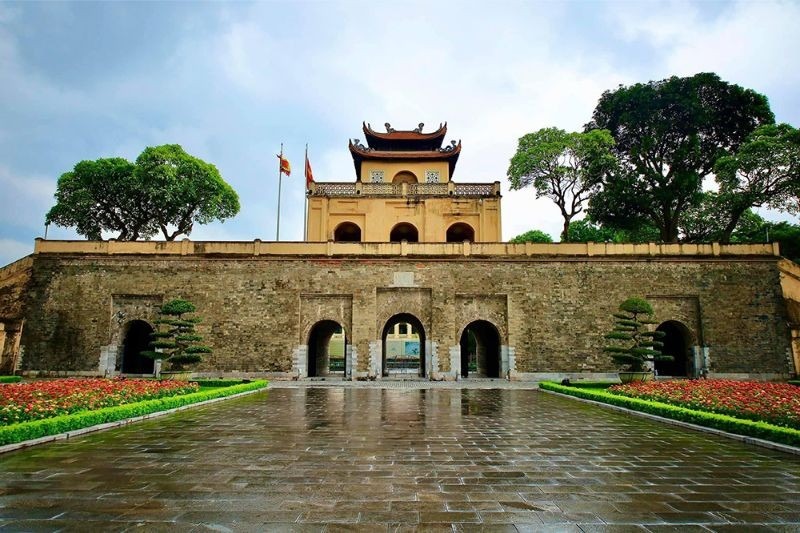
Thang Long Imperial Citadel. Photo: Internet
When talking about Hanoi, people immediately think of the deep green Hoan Kiem Lake, the moss-covered tiled roofs of the 36 streets and wards, and the Temple of Literature – Imperial Academy, with its ancient trees casting shadows accumulated over hundreds of years. But Hanoi’s heritage does not stop at these familiar symbols. Every street, every communal house, every melody of ca tru singing, every street vendor’s carrying pole... is a piece of the larger heritage picture.
Hanoi’s heritage is both tangible, appearing in architectural structures and urban planning schemes, and intangible, hidden in language, eating habits, ways of thinking and lifestyles. And this heritage does not stand still. It continues to move, adapt and accompany the constant changes of the city, making Hanoi both ancient and modern, both familiar and new.
It is impossible to talk about Hanoi’s heritage without mentioning the Thang Long Imperial Citadel – an architectural complex marking political and cultural power over thousands of years. From the remains of Dai La Citadel under Cao Bien, to the capital of Thang Long during the Ly and Tran dynasties, and then the ancient citadel during the Le and Nguyen dynasties, the Thang Long Imperial Citadel is a place where dense layers of historical sediment have accumulated.
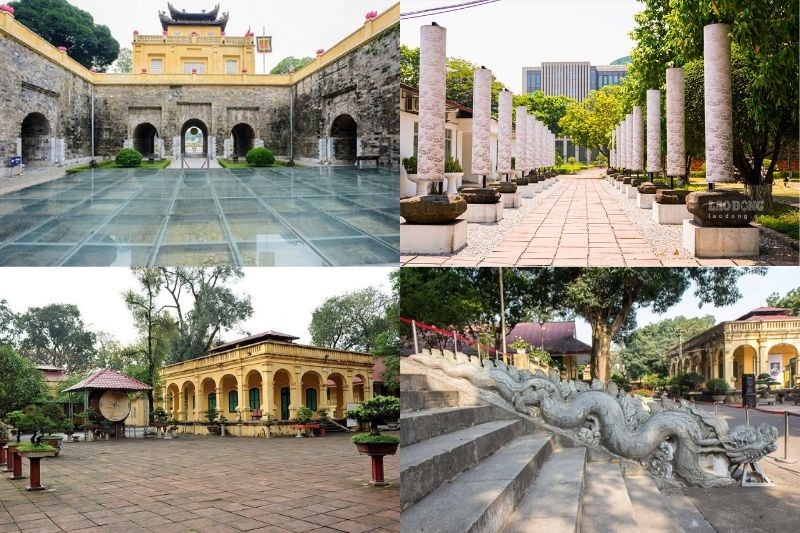
Scenery inside the Thang Long Imperial Citadel
Archaeological excavations at 18 Hoang Dieu Street since 2002 have revealed palace foundations, ceramics and construction materials, providing evidence of the prosperity and scale of the ancient capital. In 2010, the Thang Long Imperial Citadel was recognised by UNESCO as a World Cultural Heritage Site – a source of pride not only for Hanoi but for the entire nation.
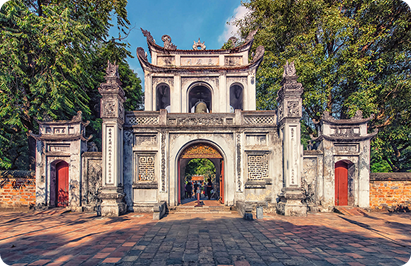
If the Imperial Citadel is a symbol of power, the Temple of Literature – Imperial Academy is a place honouring intellect and scholarly tradition. Built in 1070, it was Vietnam’s first university and nurtured generations of talented individuals. The stone steles engraved with the names of doctoral laureates – a world documentary heritage – are evidence of the nation’s thousand-year-old tradition of valuing education.
Today, the Temple of Literature is not only a tourist destination but also a place that preserves the spirit of respect for teachers and learning. During every examination season, thousands of candidates still come here to pray for good luck and entrust their aspirations for knowledge, showing that the connection extending from the past to the present has never been broken.
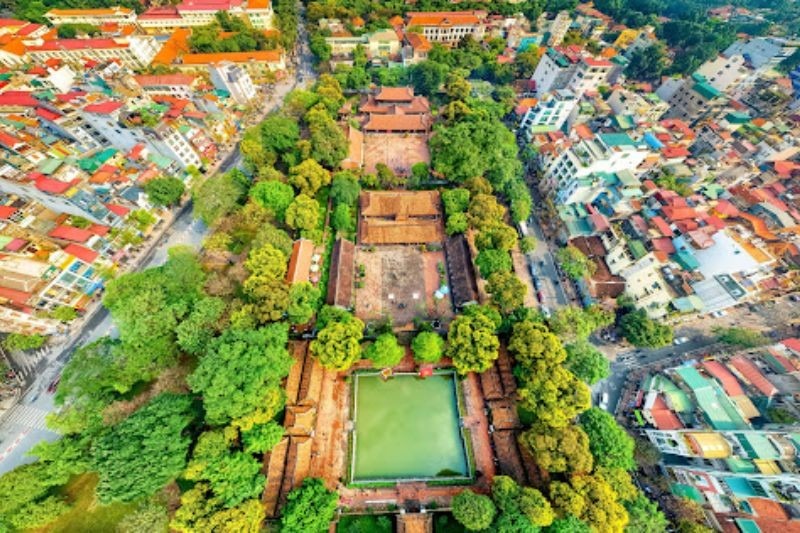
Scenery at the Temple of Literature – Imperial Academy. Photo: Internet
Hanoi’s Old Quarter, with its 36 streets and wards, is a rare urban space that still preserves the structure of traditional craft streets. Each street is associated with a particular product: Hang Bac, Hang Ma, Hang Dao, Hang Thiec... together forming a unique “map of traditional crafts”.
The narrow, deep tube houses serve both as living spaces and places of business, reflecting the lifestyle and daily activities of residents in the old urban area. Despite many changes over time, this architecture still exists, creating a distinctive feature that no other city possesses.
Hanoi is also home to hundreds of pagodas, communal houses, temples and shrines – traces of its rich spiritual life. One Pillar Pagoda – a unique architectural symbol; Tran Quoc Pagoda – the oldest pagoda in Thang Long; Ngoc Son Temple – a sacred place beside Hoan Kiem Lake; Tay Ho Temple – a sacred site associated with the Mother Goddess worship.
These structures are not merely architectural works but also “spaces of memory”, where people entrust their faith, aspirations and cultural identity.
Hanoi is the cradle of many art forms: ca tru, cheo, xam singing and traditional tuong theatre... Among them, ca tru - a form of scholarly musical performance has been recognised by UNESCO as an Intangible Cultural Heritage in Need of Urgent Safeguarding. Many ca tru clubs in Hanoi have been and are reviving this art form, bringing it back to performance spaces and connecting it with contemporary life.
Xam singing – once the songs of blind performers in markets, at crossroads and by river wharves – is also being restored. It is not only an art form but also the heartfelt voice of working people, reflecting the thoughts and feelings of urban life.
It is impossible to talk about Hanoi’s heritage without mentioning its cuisine. A steaming bowl of pho, sweet green rice cakes, La Vong grilled fish, bun thang, Vong Village green rice flakes... Each dish is not only a flavour but also a story about history and lifestyle.
Hanoi cuisine reflects refinement and meticulousness: from cooking and presentation to the way dishes are enjoyed. Hanoi pho – a dish that has become a national symbol – is clear evidence of this.
People from old Hanoi were famous for their elegant speech and refined manners. “Elegance” is not merely about appearance but also a way of life: dressing neatly, speaking politely and behaving tactfully. This is what has created Hanoi’s identity, making anyone who has ever been attached to the city feel nostalgic and long for it.
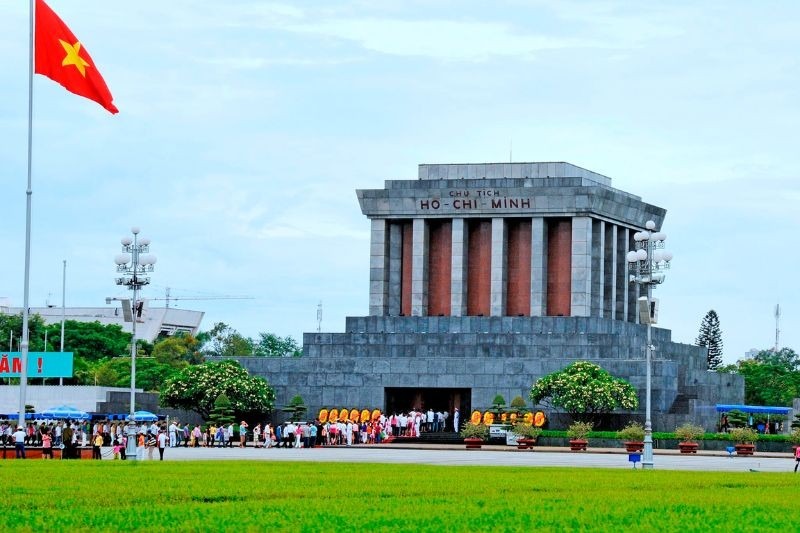
Ho Chi Minh Mausoleum. Photo: Internet
Hanoi today is changing every day. High-rise buildings, new urban areas and shopping centres are emerging, creating a modern appearance for the city. But amid this flow of change, heritage does not disappear; instead, it finds ways to adapt.
Some old houses have been restored and turned into cafes, private museums and cultural spaces. Many young artisans have opened classes teaching Hang Trong painting, tò he figurine making and Bat Trang pottery. The Hoan Kiem Lake pedestrian zone has become a “community cultural space”, where folk arts are brought back to life in everyday life.
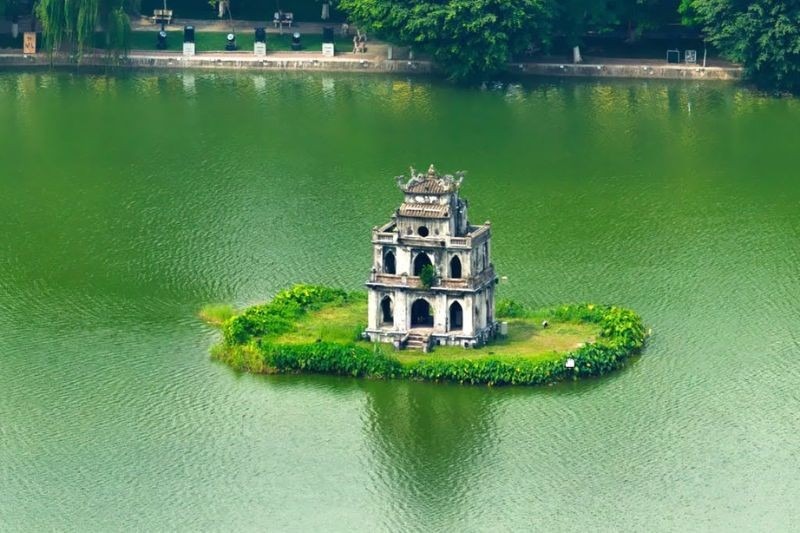
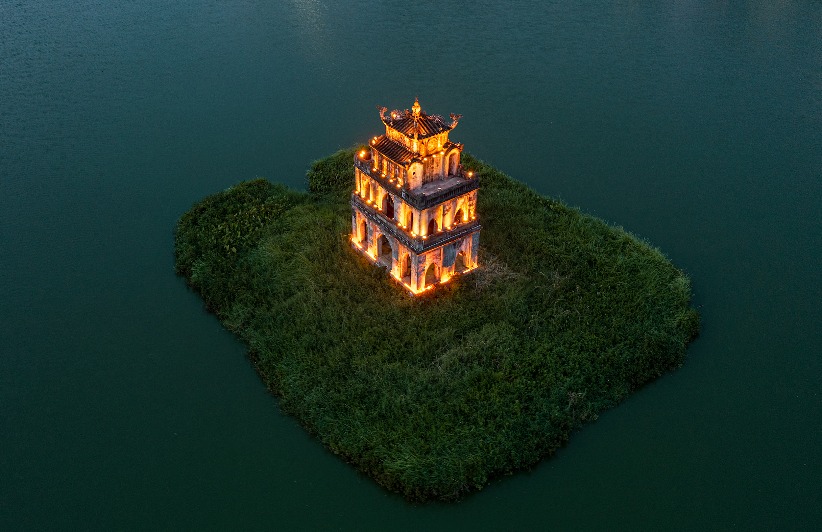
Turtle Tower – Hoan Kiem Lake. Photo: Internet
Many people from old Hanoi recall that when they were young, in autumn, they walked to school past Hoan Kiem Lake, with yellow dracontomelon leaves falling all over their shoulders; when Tet arrived, the whole street gathered to make chung cakes; during the Mid-Autumn Festival, children eagerly carried lanterns and enjoyed the festive treats. These memories are not merely stories of everyday life but a heritage of memory – an invaluable spiritual asset.
Today, young people may no longer experience these things in their entirety. But through stories, images and preservation efforts, those memories continue to live on and remain a connecting thread between generations.
Hanoi’s heritage is the crystallisation of a thousand years of cultural and scholarly tradition. It is present in architecture, art, cuisine, language and lifestyle. It is both a “living past” and a foundation for building the future.
Preserving and promoting Hanoi’s heritage does not simply mean conserving what already exists, but also making it live in contemporary life, spreading it throughout the community and integrating it with the world.
Hanoi – the city of memories, the city of heritage – will forever remain a place where everyone can find their roots and find themselves in the endless flow of time.
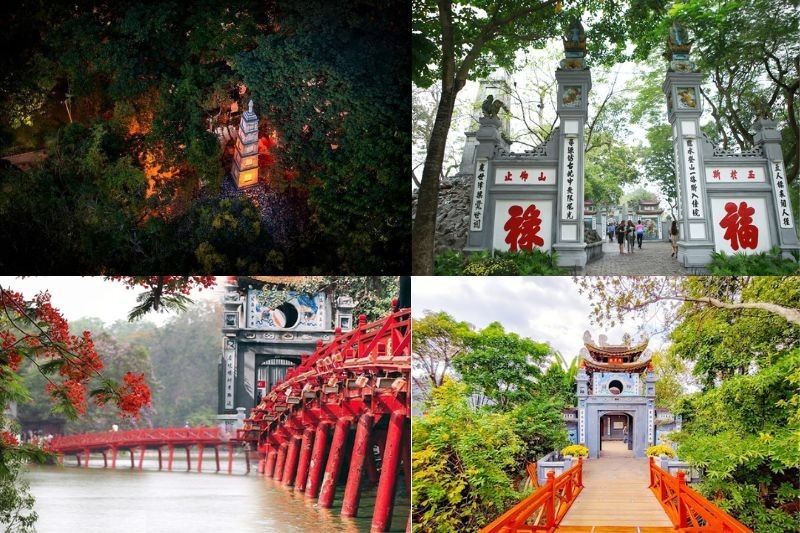
Pen Tower, Ink-Slab Pavilion, The Huc Bridge and Ngoc Son Temple.
Photo: Internet
Some Typical Historical Sites in Hanoi
-
Thang Long Imperial Citadel – A World Cultural Heritage Site and the centre of power of dynasties for more than 13 centuries.
-
Temple of Literature – Imperial Academy – Vietnam’s first university and a symbol of the tradition of valuing education.
-
One Pillar Pagoda – A pagoda with unique architecture and a spiritual cultural symbol of Thang Long – Hanoi.
-
Tran Quoc Pagoda – The oldest pagoda in Hanoi, located beside West Lake and built during the reign of King Ly Nam De in the 6th century.
-
Ngoc Son Temple and Turtle Tower – Located in the middle of Hoan Kiem Lake and associated with many folk legends and historical stories.
-
Hoa Lo Prison – A place preserving memories of the struggle against colonialism, now serving as a historical museum.
-
Co Loa Citadel – The capital of the Au Lac state under King An Duong Vuong in the 3rd century BC.
-
Quan Thanh Temple – One of the “Four Sacred Temples of Thang Long”, dedicated to Huyen Thien Tran Vu.
-
Tay Ho Temple – A famous centre of Mother Goddess worship, located on the West Lake peninsula.
-
48 Hang Ngang Historical Site – The place where President Ho Chi Minh wrote the Declaration of Independence in 1945.


 Museums & War History