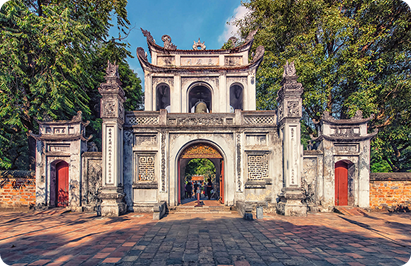
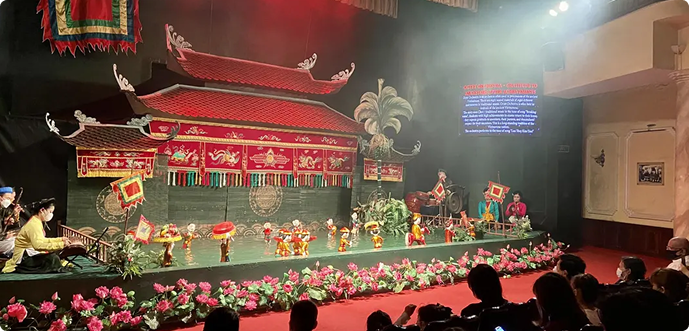
Opening Hours: 08:00 – 17:00 Daily (Night Tour: Fri – Sun 19:00)
1. One Pillar Pagoda
The One Pillar Pagoda is located on Chua Mot Cot Street, Doi Can Ward, Ba Dinh District, Hanoi. It is an architectural complex comprising the pagoda and a pavilion rising from the center of a lotus pond.
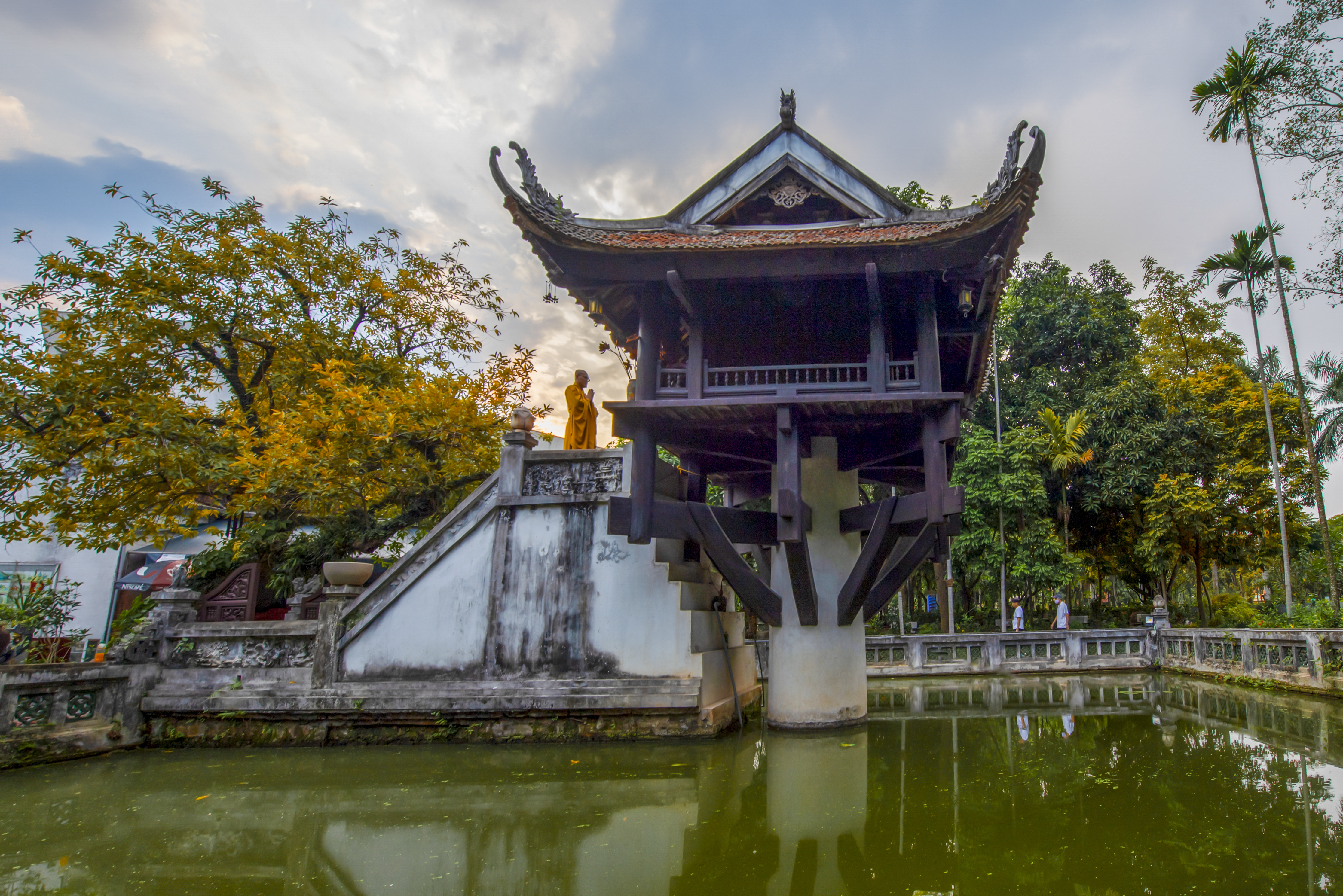
One Pillar Pagoda – an exceptionally unique architectural complex
Also known as Mat Pagoda, Lien Hoa Dai (Lotus Pavilion), or Dien Huu Tu, the One Pillar Pagoda captivates countless visitors with its distinctive design. Constructed in 1049 to recreate an auspicious dream of Emperor Ly Thai Tong, the structure resembles a stylized lotus blossom emerging gracefully from the water.
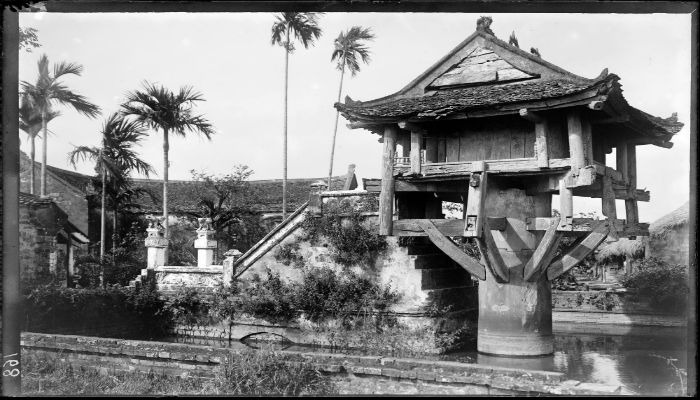
Archival photo of the One Pillar Pagoda in 1896
Through decades of war, the pagoda suffered severe destruction. In 1955, it was faithfully reconstructed based on its original ancient architectural form, enduring to the present day. Beyond its profound spiritual significance, the One Pillar Pagoda stands as a time-honored historical and cultural relic of Hanoi.
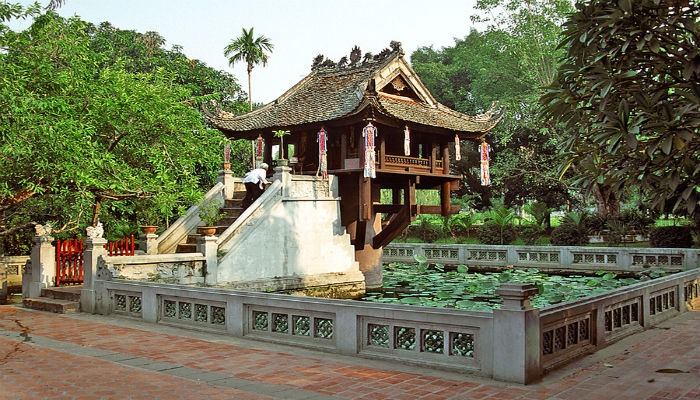
The One Pillar Pagoda embodies deep spiritual meaning alongside enduring
historical and cultural value
2. Ho Chi Minh Mausoleum
The Ho Chi Minh Mausoleum also referred to as President Ho’s Mausoleum or Uncle Ho’s Mausoleum is the final resting place of the revered leader of the Vietnamese people. Groundbreaking officially took place on September 2, 1973, on the exact site of the former ceremonial rostrum in the center of Ba Dinh Square, where President Ho Chi Minh read the Declaration of Independence in 1945.
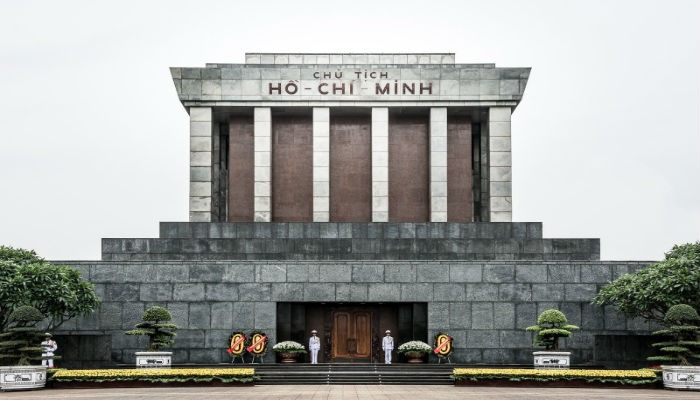
President Ho’s Mausoleum – the resting place of the Father of the Nation
Public visitation at the Ho Chi Minh Mausoleum is held in the mornings on Tuesday, Wednesday, Thursday, Saturday, and Sunday; the Mausoleum is closed to visitors on Mondays and Fridays. Visiting hours are scheduled as follows:
Notably, if May 19 (President Ho Chi Minh's birthday), September 2 (National Day), or the first day of the Lunar New Year falls on a Monday or Friday, visitation remains open. Visitors are strictly required to dress respectfully, maintain solemn order, and refrain from bringing electronic recording devices inside the Mausoleum.
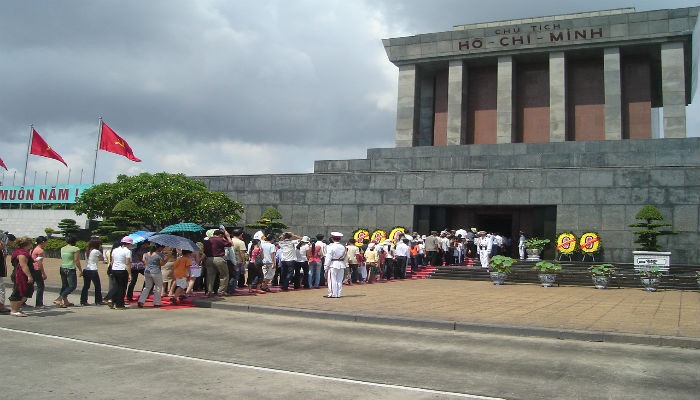
Streams of visitors paying respects at Uncle Ho’s Mausoleum
Located adjacent to the Mausoleum is a modest wooden stilt house where President Ho Chi Minh lived and worked during the 1960s. Built in the unpretentious style of a traditional rural dwelling and surrounded by a carp pond and lush gardens, this simple residence deeply moves all who visit.
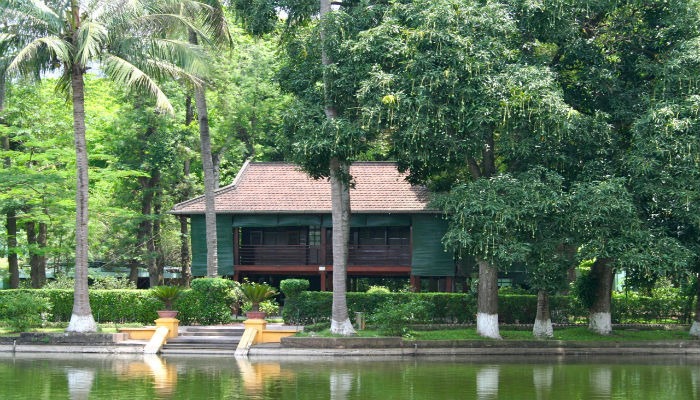
The stilt house where Uncle Ho once lived
3. Hoa Lo Prison
Hoa Lo Prison is situated on Hoa Lo Street, Hoan Kiem District, Hanoi.
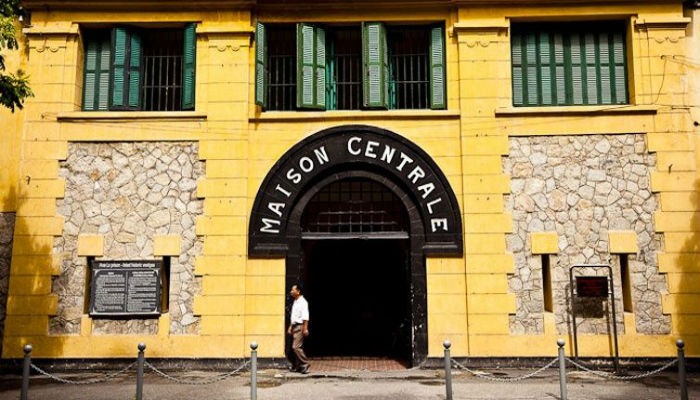
Exterior view of Hoa Lo Prison
Constructed by the French colonial authorities in 1896 to detain Vietnamese revolutionaries and political prisoners, the complex originally spanned over 12,000 square meters and ranked among the largest and most heavily fortified prisons in French Indochina at the time.
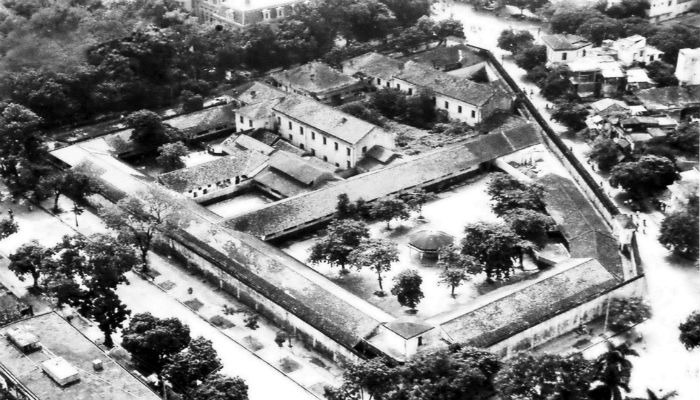
Hoa Lo – one of the most heavily fortified prisons in Indochina
A visit to Hoa Lo often sends chills down the spine, as its interior cells and interrogation rooms are reconstructed with stark, lifelike exhibits—evoking the harsh realities endured by political prisoners and inspiring deeper appreciation for present-day freedom.
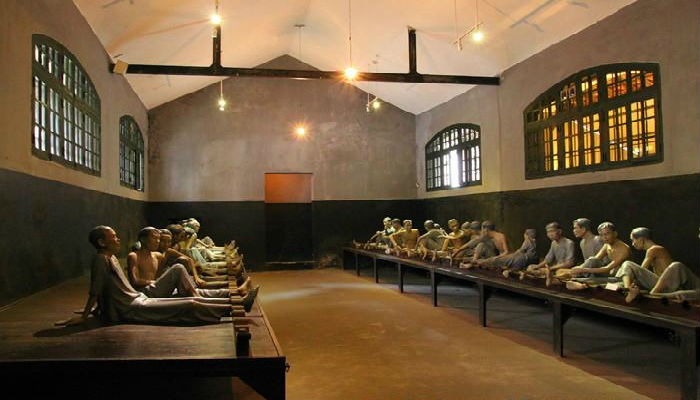
A realistically reconstructed interior space inside Hoa Lo Prison
In a ranking published by CNN, Vietnam’s Hoa Lo Prison was named first among the top five most haunting destinations in Southeast Asia and is widely recognized among the ten most notorious prisons in the world.
4. Vietnam Museum of Ethnology
Strictly speaking by the conventional definition of a historical monument, the Vietnam Museum of Ethnology may not be classified as a single ancient relic; rather, it is a living cultural repository that gathers, preserves, and recreates the historical and cultural heritage of communities across Vietnam and beyond. It is an ideal destination for travelers seeking to explore the rich cultural tapestry of the nation's diverse regions right in the heart of Hanoi.
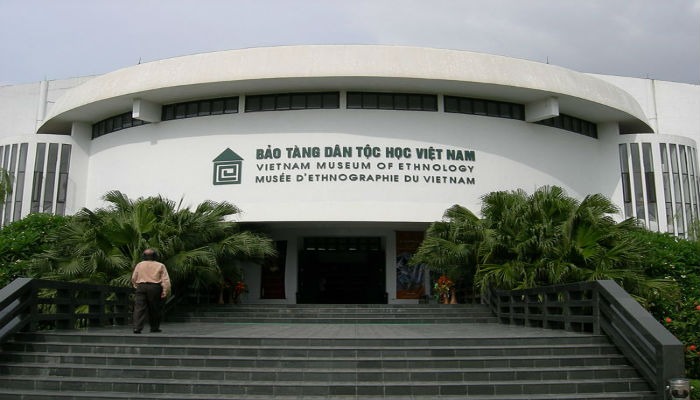
Vietnam Museum of Ethnology in Hanoi
The museum is organized into three primary exhibition zones: the main indoor exhibition building (housing galleries, research offices, and a library), an expansive outdoor architectural garden, and a dedicated wing showcasing the cultures of international communities, primarily across Southeast Asia.
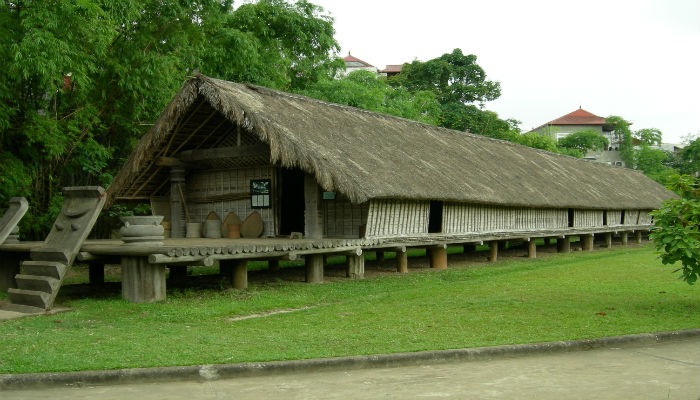
A Central Highlands communal house (nha rong) recreated within the grounds of the Vietnam Museum of Ethnology
5. Temple of Literature – Imperial Academy
Located at 58 Van Mieu Street, the Temple of Literature – Imperial Academy (Van Mieu – Quoc Tu Giam) stands as Vietnam’s first national university. For centuries, it served as the premier center of Confucian learning and royal examinations, cultivating generations of scholars and virtuous talents who contributed to building the nation.

Temple of Literature – Imperial Academy, Vietnam’s first university
The temple grounds are expansive, making a morning or a two-to-three-hour visit ideal for exploration. Along the courtyards, visitors encounter the famous stone stelae mounted on the backs of stone turtles, inscribed with the names and achievements of accomplished scholars and Doctors of Literature from past feudal dynasties.
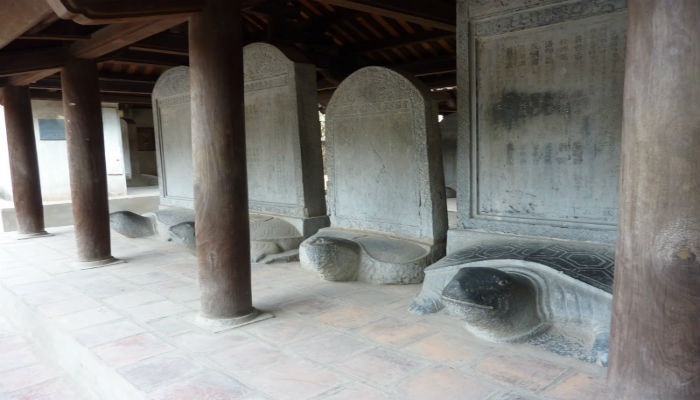
Stone stelae mounted on stone turtles – commemorating accomplished scholars and Doctors of Literature across past dynasties
Every year on the Lantern Festival (the 15th day of the first lunar month), the complex hosts Vietnam Poetry Day. During examination seasons, students from across the country frequently gather here to touch the stone turtles' heads and offer incense, praying for academic success.
6. Hanoi Old Quarter
Exploring Hanoi’s history and culture without strolling through the Old Quarter would be a major oversight, as a defining highlight of this thousand-year-old capital is its famed “36 Old Streets”. Amidst a rapidly modernizing Hanoi, these ageless streets and tube houses still preserve their tranquil, unpretentious charm.
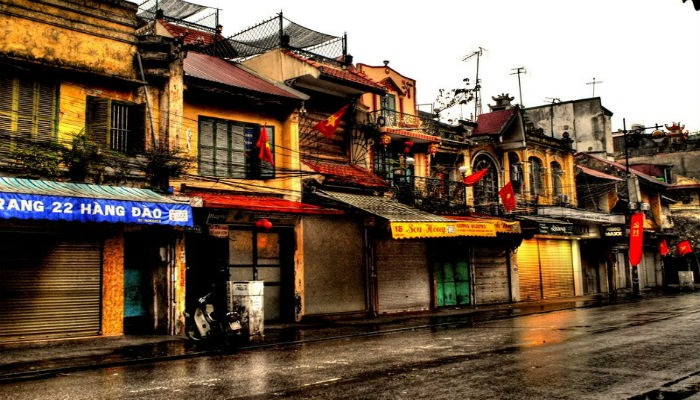
Hanoi Old Quarter with its unpretentious ancient houses
Defined by weathered golden-yellow facades streaked with moss over the decades, the Old Quarter radiates a nostalgic warmth that effortlessly captivates any wanderer.
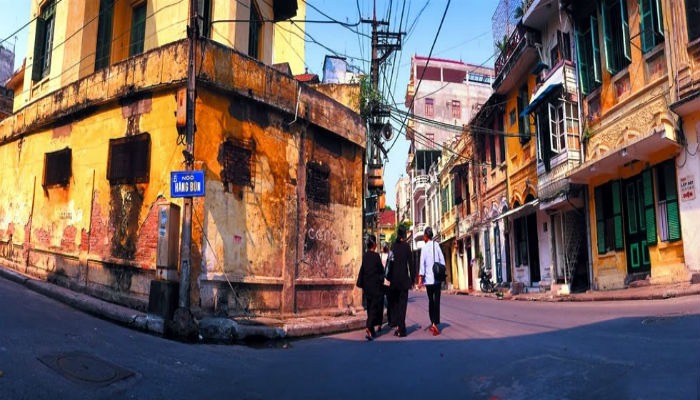
Familiar, intimate lanes of the Old Quarter
7. Hoan Kiem Lake
Commonly known by its familiar name, Sword Lake (Ho Guom), Hoan Kiem Lake is deeply intertwined with cherished legends and historical milestones of the Vietnamese nation. Situated right in the heart of the city, the lake is framed by tree-lined pedestrian promenades. When autumn arrives, the golden foliage and misty waters merge to form a remarkably poetic and romantic tableau.
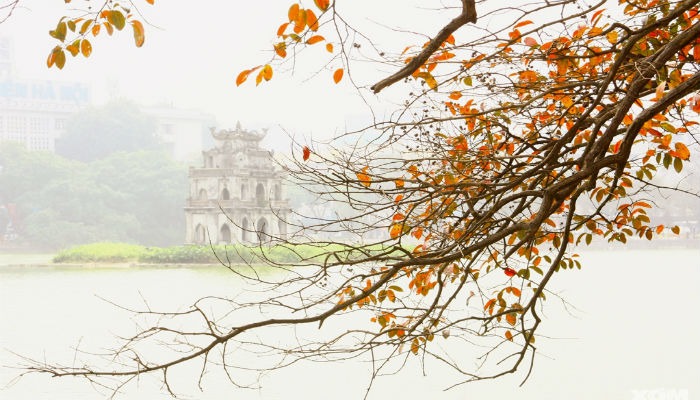
A picturesque scene of Sword Lake in autumn
Surrounding Sword Lake are iconic architectural monuments and treasured heritages, including the Pen Tower (Thap But), the Ink Slab (Dai Nghien), The Huc Bridge, and Ngoc Son Temple.
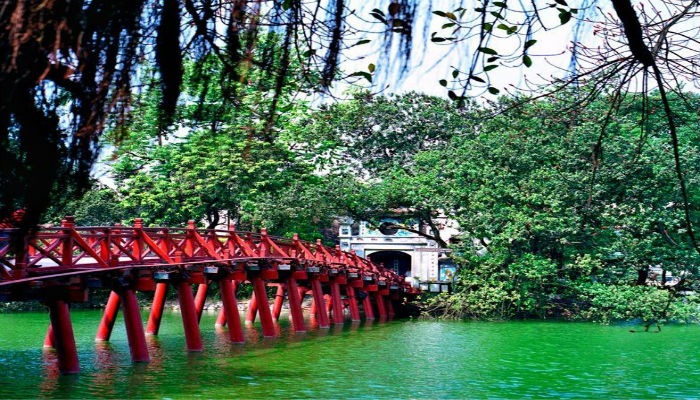
The Huc Bridge with its gracefully curved silhouette
More than just a historical relic of the capital, Hoan Kiem Lake has long served as a beloved sanctuary for Hanoians unwinding from the bustle of daily life, and an unmissable landmark for every traveler visiting Hanoi.
For anyone passionate about discovering Hanoi’s history and culture, Divui hopes this guide provides helpful insights to make your journey all the more rewarding and memorable. Wishing you a truly meaningful trip!


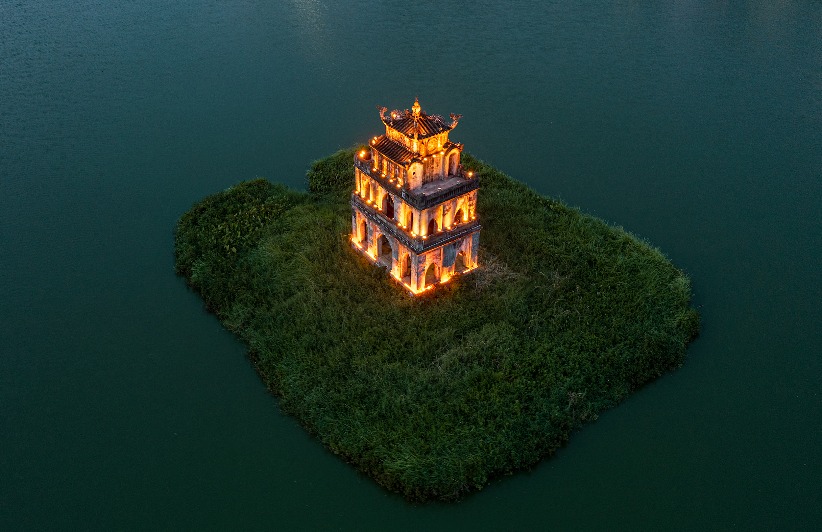
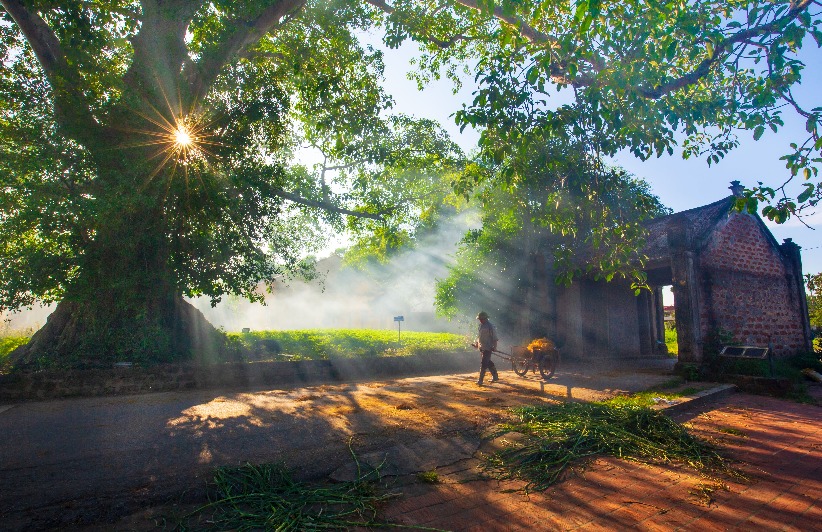 Imperial History